Create Your Own Sleep Retreat in 6 Easy Steps

I just completed a ten day sleep retreat. I didn’t plan it, it just happened. I didn’t realize how sleep deprived I was until I started sleeping 10-11 hours at a stretch.

Last month I struggled with insomnia. I’d wake up at 2, 3 or 4 in the morning and my busy mind would not let me fall back asleep. It was a rough couple of weeks, but it gave me a firsthand experience of what many people struggle with on a daily basis.

To share some stats about sleep disorders… according to the American Sleep Association:

  • 50-70 million Americans have a sleep disorder.
  • Insomnia is the most common sleep disorder.
  • 30% of adults suffer from short term insomnia.
  • 10% of adults struggle with chronic insomnia.

The average adult requires 7-9 hours of sleep. Approximately one third of Americans report that they get less than 7 hours of sleep during a typical 24 hour period. Sleep disorders have been linked to drowsy driving, obesity, and death (due to medical errors).

People are taking steps to address sleeping disorders. Many luxury hotels and resorts have started offering Sleep Vacation packages. In an effort to combat stress, many couples are choosing to sleep alone.

[Recommended Reading: British couples too stressed to sleep in same bed.]

The practice of Sleep Yoga also encourages practitioners to sleep separately. Sleeping alone increases relaxation and allows for a more individualized dreaming experience.

Sleeping alone is one of 6 recommended steps for creating your own Personal Yoga Sleep Retreat. If spending a couple thousand dollars on a weekend getaway doesn’t fit your budget, a DIY home sleep retreat is an affordable and effective alternative.

Step 1: Take a Stay-cation. Give yourself the gift of some quiet time at home. Clear your schedule, and resist the impulse to fill it back up again.

Step 2: Clean your bedroom. Wipe down surfaces, vacuum, wash your sheets. Sort through clutter and donate items you aren’t using anymore.

Step 3: Avoid caffeine. People have different sensitivity levels to caffeine. As a general rule, if your goal is to fall asleep by 10pm reduce your caffeine intake after 5pm.

Step 4: Minimize exposure to artificial lights (this includes screen time). Candlelight or low lights will help you wind down.

Step 5: Bathe before bed. Take a shower or (even better) a bath. Adding a cup of Epsom salts to your bath will relax your muscles and increase your ability to sleep. Put on clean sleeping clothes and relax in bed with the lights off.

Step 6: Sleep alone (if you have the option to do so). It makes a huge difference in the quality of your sleep.

If you enjoyed this article you might also like:
Personal Retreat Reflections

Retreat Musings

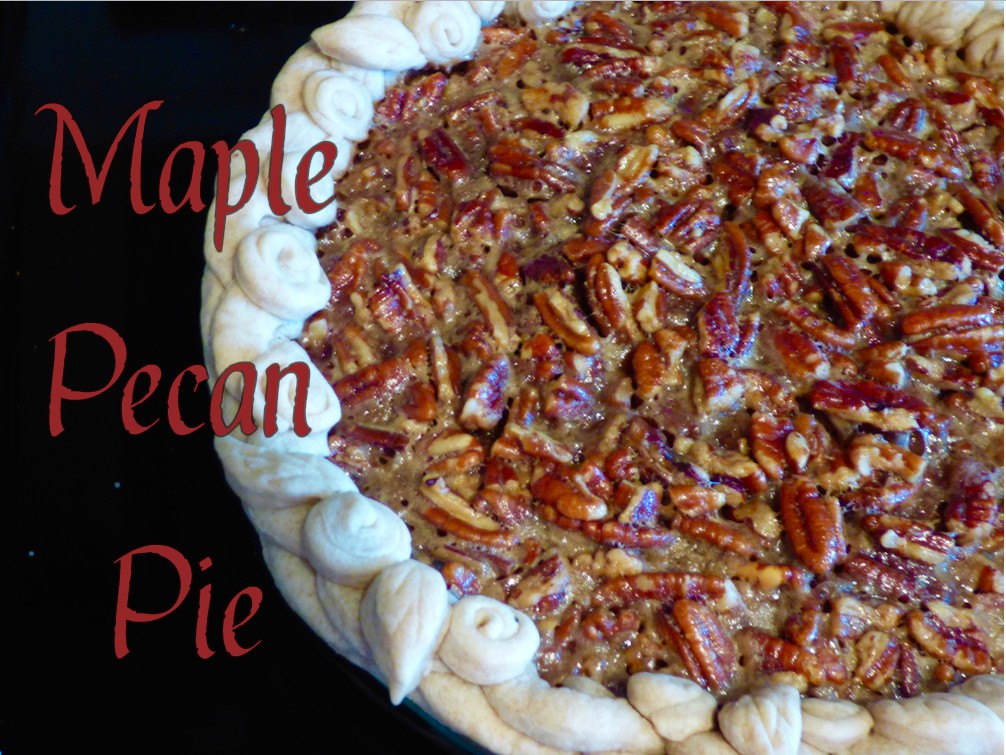
Home Rituals – Maple Pecan Pie

I’ve had slow-cooked foods on the brain lately: French onion soup, barbecued ribs and pecan pie. Slow-cooked foods are ideal in the winter and when my body is craving certain foods, I listen.

I’ve wanted to make a pecan pie for ten years. My inspiration came from the Shoshoni Yoga cookbook, which I discovered after a day trip to the Rollinsville, Colorado center.

Even more outstanding than the high frequency of the beautiful mountain ashram or the gentle yoga class was the food…

The yoga class was held in the main hall next to the kitchen where I could hear the cooks chanting mantras (mantra: to protect).

The summer meal consisted of Mexican vegetable soup, salad with avocado dressing, and sopapillas with refried beans and cheese. I felt so nourished from eating these foods and left wanting to know more.

I studied every page of that cookbook. All great recipes (especially the desserts section) but the pecan pie was the most impressive. Why?

They use maple syrup instead of corn syrup.

I didn’t know you could substitute the two. Corn syrup is a standard ingredient in pecan pie. It’s also one of the sweeteners that I avoid.

Maple syrup is packed with nutrients and anti-oxidants. Combined with pecans’ massive health benefits this dessert is a phenomenal superfood.

“One saintly Ma from Bangalore tells us, “We need to eat a little sweet on occasion, so we stay sweet.” – Yoga Kitchen: Recipes from the Shoshoni Yoga Retreat

I’d been hesitant because I wasn’t sure how to do it. I didn’t want to mess up or waste good ingredients. But after a two week Personal Yoga retreat I felt more courageous and aware of my body’s messages.

It became clear that I needed more information. So I did some research which led me to this recipe. It’s similar to Shoshoni’s version and has more detailed instructions.

A Personal Spin

I used pre-shelled pecan pieces (slow food is great but ain’t nobody got time to shell 2 1/2 cups of pecans) and added a little nitrate-free bacon fat to the pie dough (bacon fat prevents the crust from burning). You could go straight butter – just keep an eye on the edges. [Is Lard Healthy?]

Maple Pecan Pie

Prep: 8 hours or overnight

Servings: 8

One 9″ Pie Crust

  • 3/4 cup white flour, chilled
  • 1/2 cup whole wheat flour, chilled
  • 1/2 tsp Kosher salt
  • 5 Tbsp butter, chilled
  • 3 Tbsp bacon fat, chilled
  • 4-6 Tbsp ice water

Filling

  • 2 1/2 cups toasted pecan pieces
  • 6 Tbsp butter
  • 3/4 cup dark brown sugar
  • 2/3 cup Grade B maple syrup
  • 3 large eggs
  • 1/2 tsp Himalayan sea salt
  • 2 tsp pure vanilla extract
  • 2 Tbsp Bourbon (optional)

Prepare the Crust

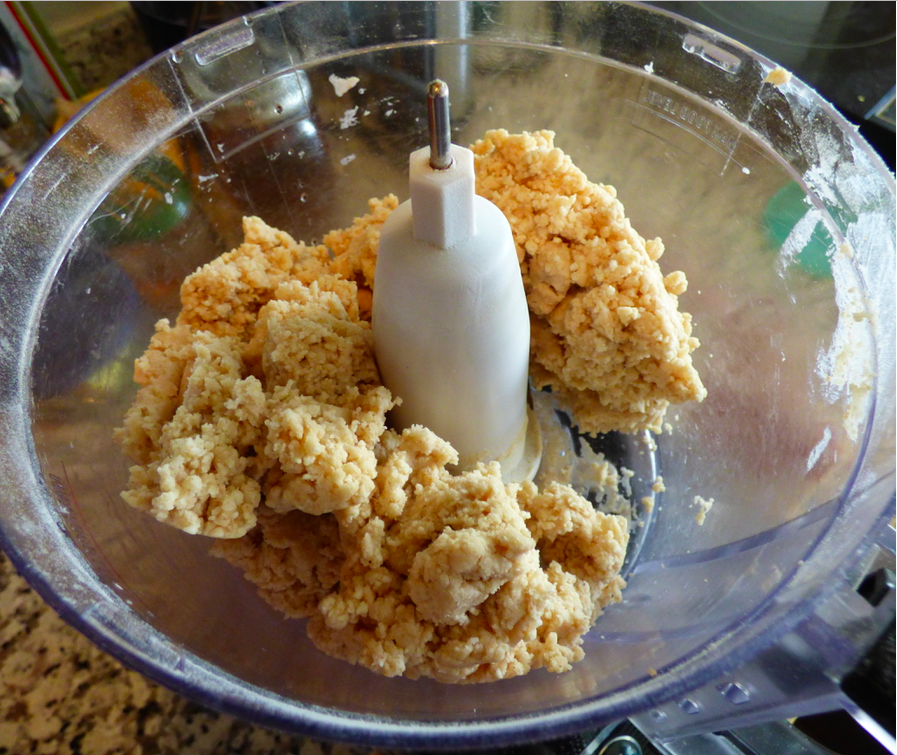
  1. In a food processor pulse to combine the flours and salt. Add chilled butter and fat and process until the mixture has the consistency of cornmeal. Add 4 Tbsp ice water and pulse until the dough gathers into a ball. Add 1-2 additional Tbsp of water if needed.
  2. Transfer dough to a piece of parchment paper. Form dough into a round disk, handling as little as possible. Wrap dough in parchment paper and place in a sealed ziplock bag. Place in freezer for 30 minutes.
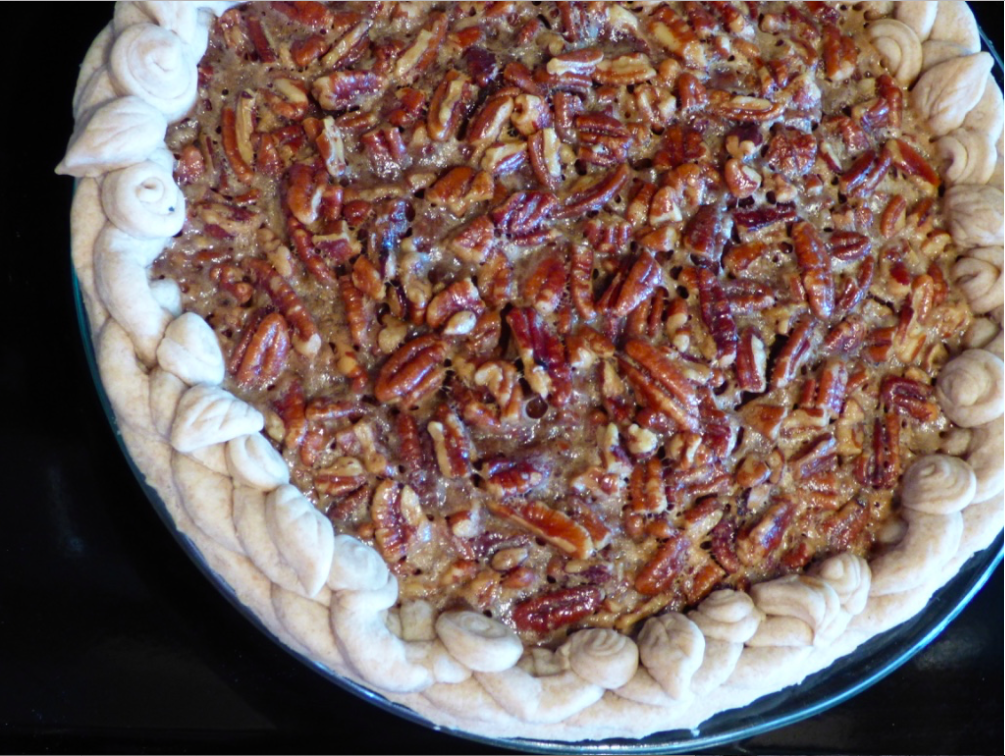
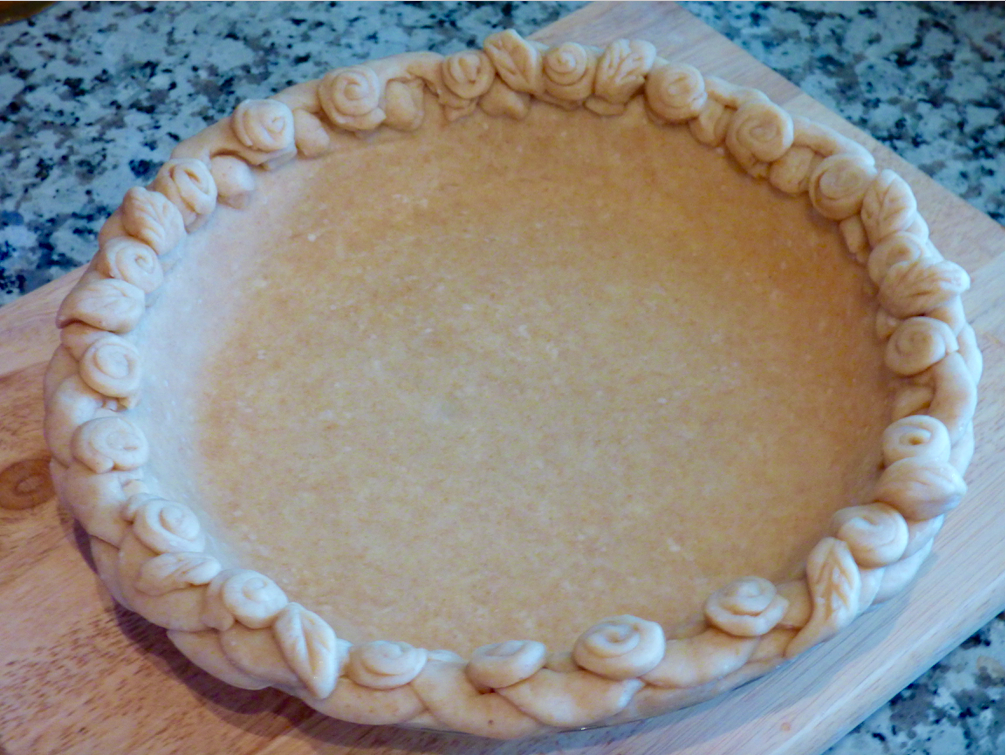
  3. Unwrap dough and lightly flour a rolling pin. Roll dough into a 12″ circle. Transfer to a 9″ pie plate. Press rolled dough to fit pie plate. Shape edges into a fluted or decorative design of your choice.
  4. Chill crust for 30 minutes.
  5. Line pie crust with parchment paper and dry rice or pie weights. Bake crust at 400 degrees for 20 minutes, then remove paper and weights.

Filling

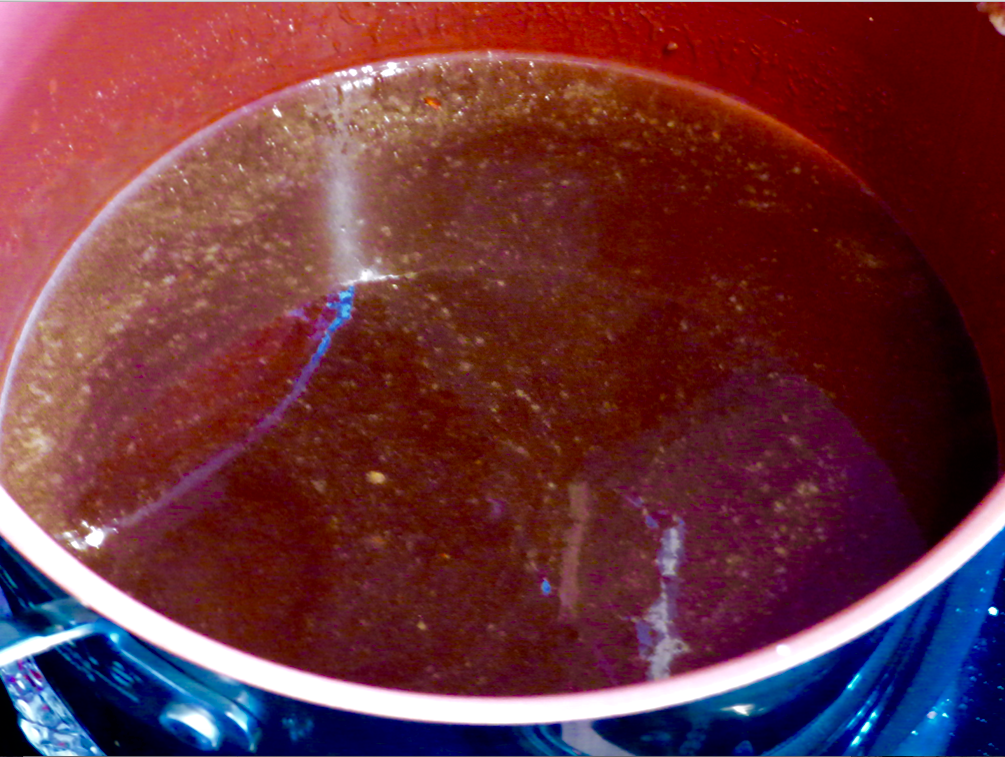
  1. Prepare the filling while the pie crust is baking. In a medium saucepan melt the butter, brown sugar and salt. Remove from heat and add maple syrup, vanilla, and Bourbon.
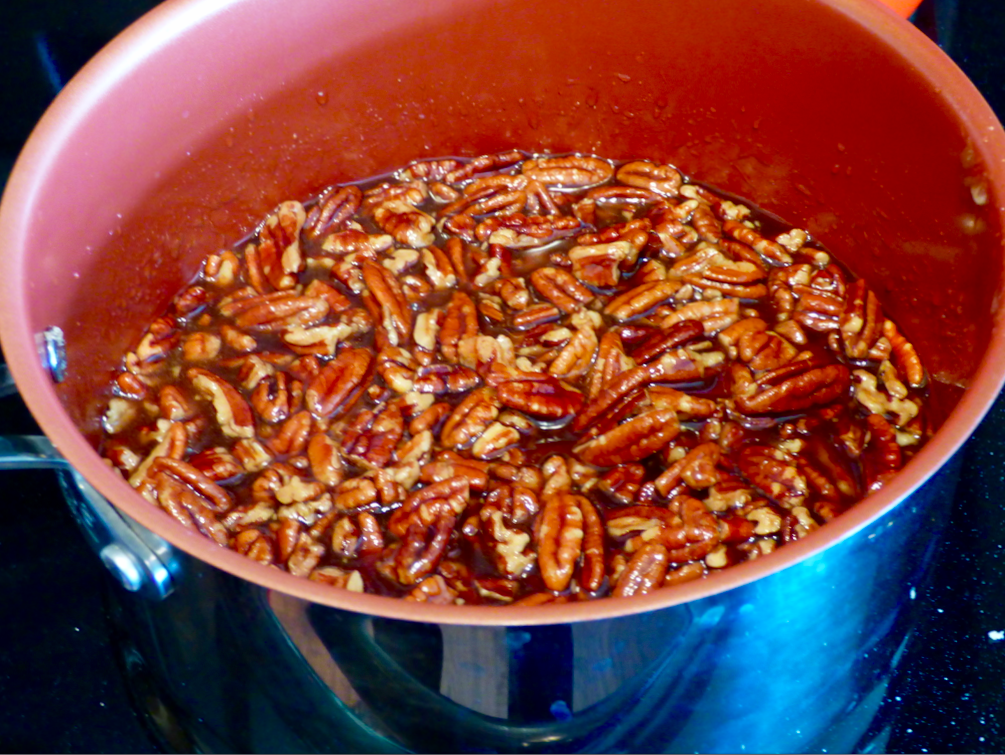
  2. Stir in the toasted pecan pieces. Option: to infuse the pecans add them to the vanilla-syrup while they are still hot. Let cool completely.
  3. In a small bowl whisk the three eggs. Stir into pecan mixture in three additions.

Pour filling into hot, pre-baked pie crust. Reduce heat to 275 degrees. Bake pie for 20-40 minutes. I recommend reading the Bojon Gourmet’s article for how to determine when the pie is done.

Let the pie cool completely and refrigerate. One hour before serving cut into slices and bring to room temperature.

If you enjoyed this article you might also like:
Home Rituals: Berry Walnut Muffin Bread

Self Teacher Study: Mind Body Tune Up

How to Plan a Winter Solstice Personal Yoga Retreat

Winter Solstice


“Winter Solstice”

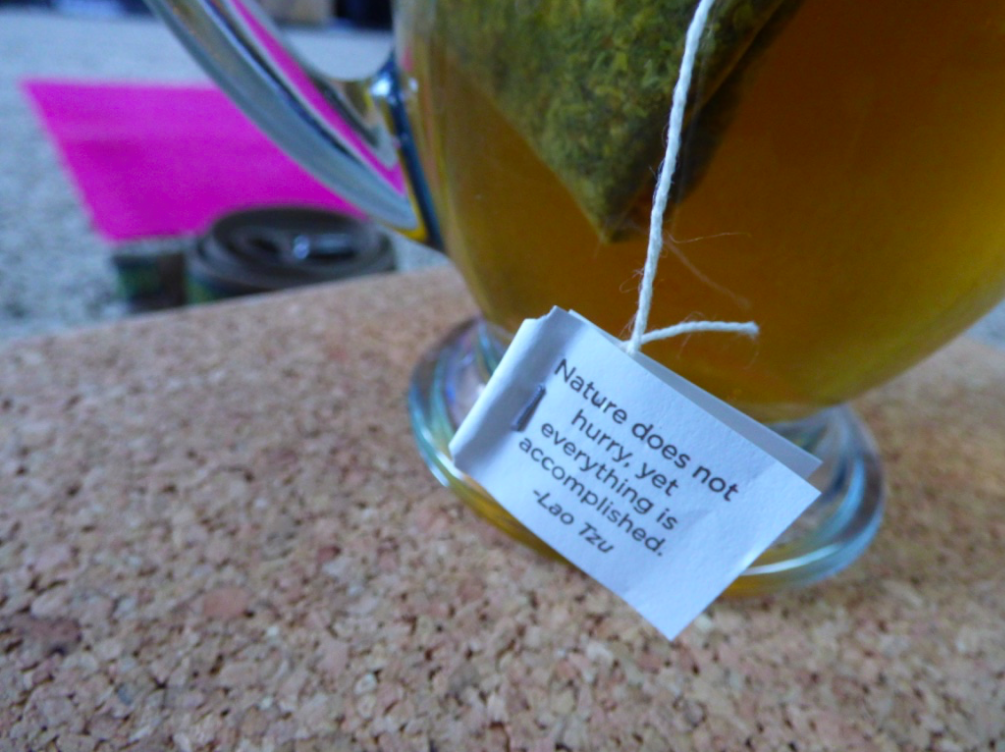
No more hurry

hurry,

time now for firelight

and dreaming,

for church bells

mingling

with the cold, quiet sunlight.

And somewhere

deep

inside of you

a kernel of courage

unfurling –

each day, more light.

– Irene Latham


“If you want to make God laugh, make a plan.” 

A friend once shared this tidbit of wisdom with me, and it still rings true whenever my plans fall apart. I had every intention of focusing on my practice for the month of December but my immune system has been on the ropes from three consecutive colds.

Thankfully I’ve had a chance to regroup, just in time for the Winter Solstice. In some ways it’s better to start a Personal Yoga retreat now because I’ll have fewer distractions over the holidays.

Of course, the ultimate goal is to merge working life seamlessly with your practice. But according to the great Sage Patanjali, the first of 13 Obstacles on the Yogic Path is sickness. There isn’t much we can do until we’re feeling better. So incubation is key, which falls in line with the power and presence of the Winter Solstice.

Winter Solstice Retreat

I like to begin a Personal Yoga retreat with a few simple preparations. These are especially beneficial if you haven’t been feeling well or have low energy from holiday season burnout. I recommend starting with Saucha, the second Niyama (observance) of Patanjali’s Ashtanga Yoga.

The Niyamas are foundational practices that relate to our internal world. Saucha means purity or cleanliness of our internal and external worlds. When we engage in Saucha on an external level (such as our bodies), we are also affecting the internal (mind and spirit) parts of our beings.

If my house isn’t clean I have a hard time focusing on anything. So I like to practice Saucha with a thorough and intentional cleaning of my home environment. A few of my Saucha materials include:

  • White Vinegar Spray: Great for counter-tops, bathrooms and floors (dilute 50/50 with water).
  • Baking Soda: Mix with vinegar spray to create a paste for sinks or tubs.
  • Essential Oils: Lavender and Tea Tree are powerful antiseptics. Add a few drops to a sponge or mix with grain alcohol for a DIY air freshener. (For more information, read Freshen Indoor Air Naturally )

I love the way burning candles and diffusing essential oils can lift the feeling of a space. [Fun fact: I recently learned that burning dried sage can reduce airborne bacteria.] Another nice touch is a vase of fresh flowers in clean water.

I like to conclude a meditative house cleaning with a hot shower and a fresh set of clean clothes. These simple steps clear my mind so that I can drop more easily into my practice and refill my “cup.”

I hope these tips spark your imagination with creating your own Winter Solstice Retreat.

If you enjoyed this article you might also like:
Winter Solstice and the Guru Bead

6 Immunity Boosting Tips